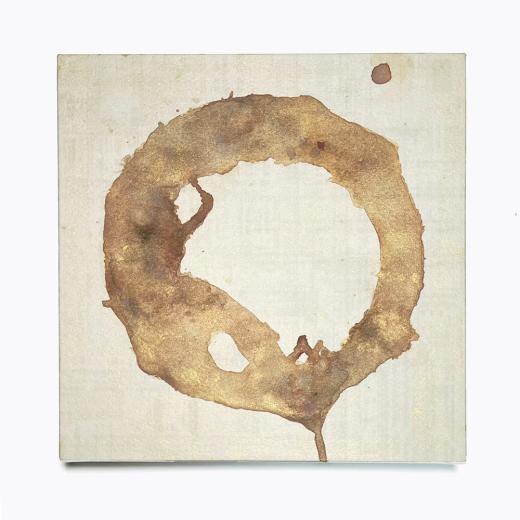
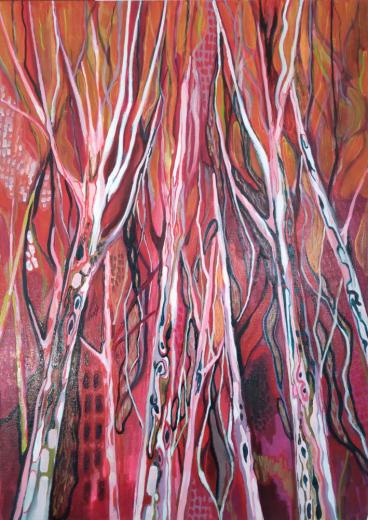
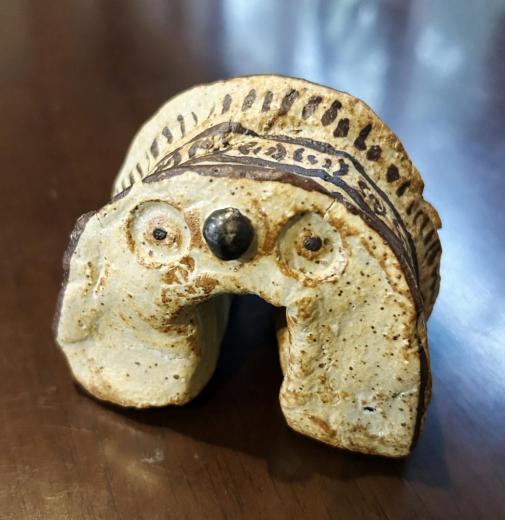
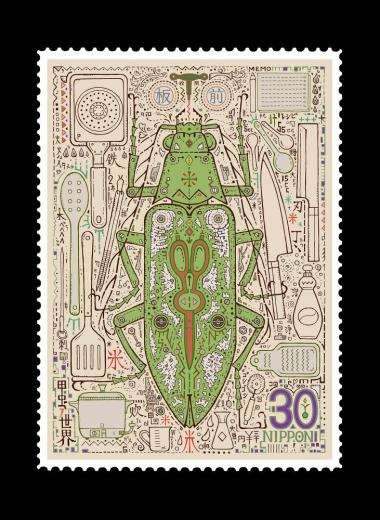
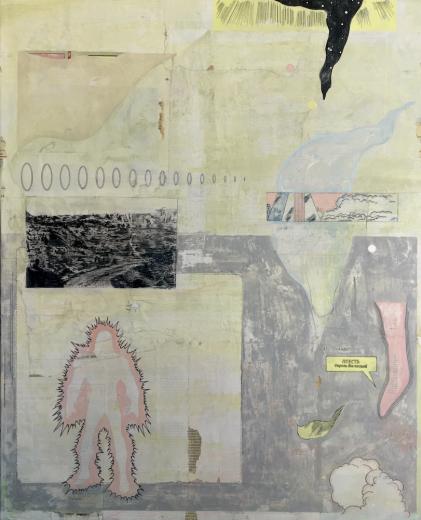
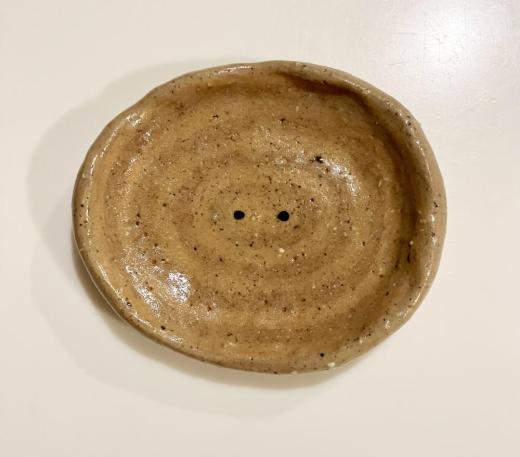
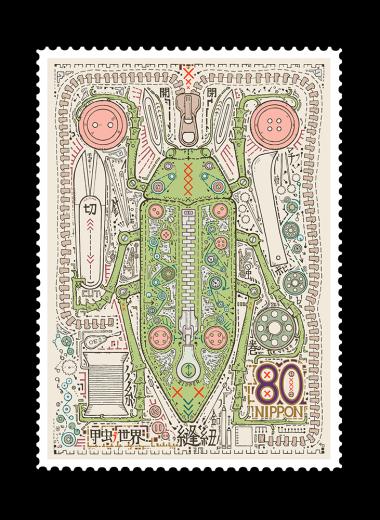
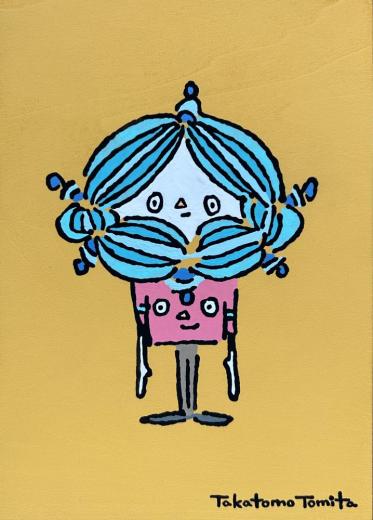
自分にとって自然とは何かと考える経過での一つのステップ。
人間にとって美しい自然であっても、実際には毎分毎秒、様々な生命体の間で命のやり取りが行われており、それを守るべき環境と僭越に呼ぶ人間が個体単独の力で生き残れる場所ではない。
人類は生き残るために必死で自然状態から逃れ都市を形成して暮らすようになったが、それも結局現代人にとっては自然な在り方なのかもしれない。
人もまた自然から生まれたもので、自然から離れ戻らないことが我々のプログラムに備わっている可能性を考えると、手つかずの自然に対してはただ憧れるだけにしておくのが良いのかもしれない。
中世の人々は、今我々が「自然がある」と言うような場所を、人が死ぬ場所、正体不明の生き物(大抵は盗賊や獣)が潜む場所として、恐れ憎んでいたことがあるらしい。
我々はただ美しい霧の表面を見ているのかもしれない。
霧が晴れると、恐ろしいものが見えることもあるかもしれない。
あるいはそこには何も無いのかもしれない。
This is a step for me in the process of thinking about what nature is.
Although it appears beautiful to humans, in reality, lives are exchanged between various living organisms every minute and every second, and it is not a place where humans, who presumptuously call it an environment that must be protected, can survive on their own.
In a desperate attempt to survive, humans have escaped from the natural state and have come to form and live in cities, but in the end this can also be seen as a natural way of being for modern humans.
Considering the possibility that humans too were born from mother nature, and that it may be natural in our programming to move away from nature and not return, it may be best to simply admire untouched nature.
In the Middle Ages, people feared and hated nature as a place where people died and where unknown creatures (usually bandits and beasts) lurked.
We may be just looking at a beautiful foggy surface.
When the fog clears, we may see some terrifying systems at work.
Or maybe there's nothing.