岡倉天心はかつて「鎌倉時代から室町時代にかけて日本の美意識は完成した」と述べました。13世紀に南宋が滅び、その際に渡来した技術者や僧侶を通じて日本にもたらされた新しい概念が、日本の美意識を完成させたと捉えたのです。この認識は”美意識”が社会の変化から影響を受けることをも示しています。
一方で、この30年程の間に進展したグローバリゼーションとデジタルイノベーションは、価値や概念の基盤となる規範意識のあり方を大きく変化させました。それは人々が物語の伝承や習慣・習俗によって、「どう生きるべきか」「何が良いことで、何が悪いことだとするのか」を内面化させた時代から、管理された環境に促されて制度にただ従う時代へと移行したことに伴う変化です。
私は”侘び寂び”や、”諦念”が描かれたと言われる、かつての日本の絵を見る時、ある予感を感じています。
かつて内面化された規範意識を持つ人々が見た”美しさ”と、もはや管理されることで制度に従わざるを得ない私たちが見る”美しさ”は、違う”美”なのではないのか、、だとすれば、この先の時代の人々は、その時の”美しさ”と、過去”美しさ”をどのように見るのだろうか、、
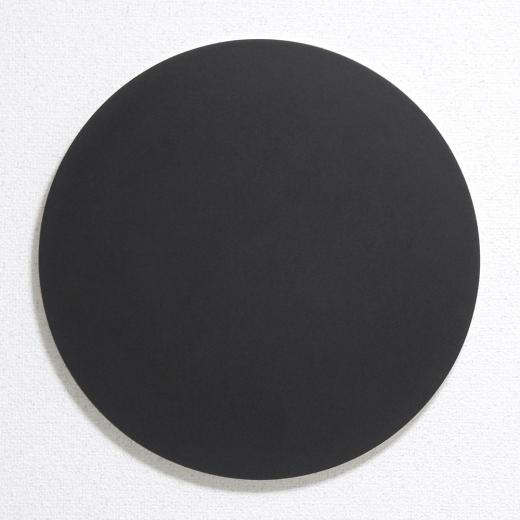
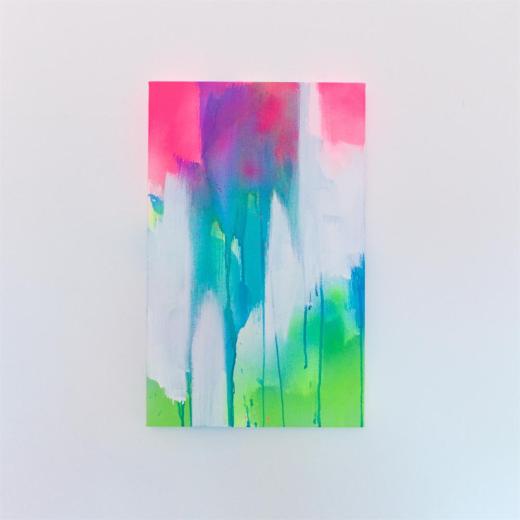
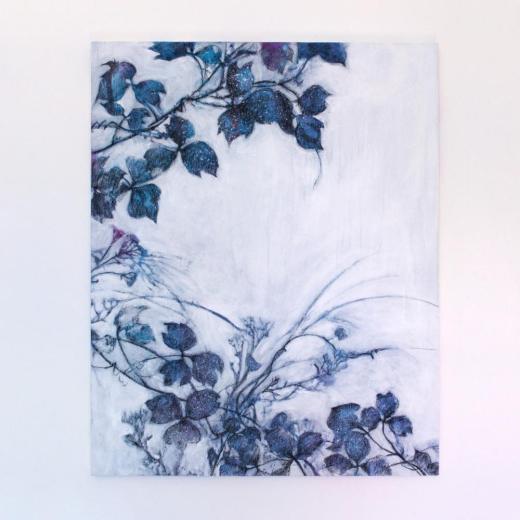
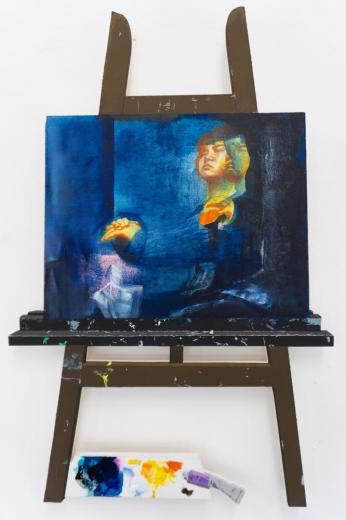
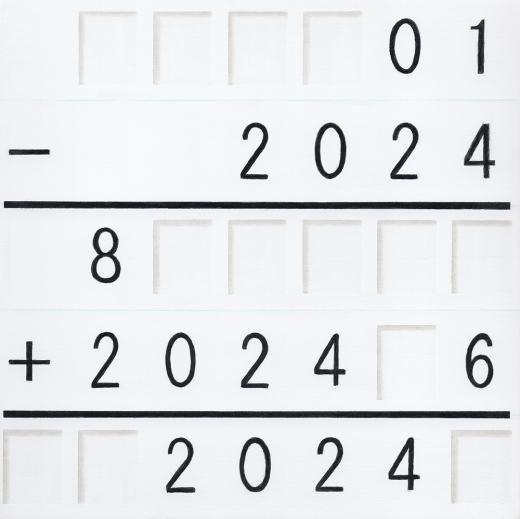
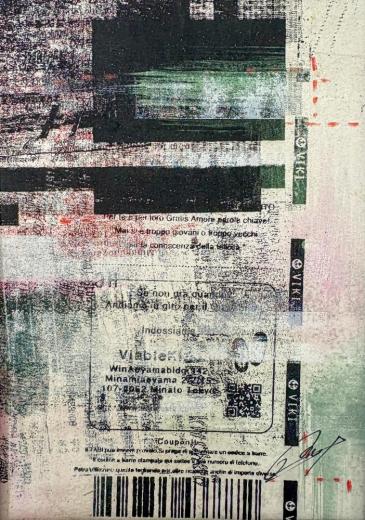
本作シリーズは、この予感を描き出したいと考え制作を始めました。
Okakura Tenshin once said, "Japanese aesthetic sense reached its peak between the Kamakura and Muromachi periods." He believed that the new concepts brought to Japan by the engineers and monks who arrived after the fall of the Southern Song Dynasty in the 13th century completed Japanese aesthetic sense. This recognition demonstrates that "aesthetic sense" is influenced by social changes.
On the other hand, the progress of globalization and digital innovation over the past 30 years has significantly altered the normative consciousness that forms the basis of values ??and concepts. This change accompanies a transition from an era in which people internalized good and evil through the transmission of stories to an era in which they simply follow the system, encouraged by a controlled environment.
When I look at old Japanese paintings that are said to depict "wabi-sabi" and "resignation," I feel a certain premonition.
Isn't the "beauty" seen by people who once internalized good and evil different from the "beauty" we see now that we are under control and have no choice but to follow the system? If so, how will people in future generations view the "beauty" of the present and the "beauty" of the past?
I began creating this series with the desire to depict this premonition.